

Professional pest control services tackle a wide variety of pests, each capable of causing damage to homes, commercial properties, and health. Below is an overview of the most common types of pests treated by pest control experts.
Top Insects Managed by a Deltona FL Pest Control Company
- Ants: Known for invading kitchens and pantries, ants can quickly spread throughout a property in search of food.
- Cockroaches: Often associated with poor hygiene, cockroaches can carry diseases and trigger allergies.
- Termites: These wood-destroying insects cause billions of dollars in structural damage annually.
- Mosquitoes: Not only do they cause itchy bites, but mosquitoes can also transmit diseases like malaria and West Nile virus.
- Flies: Houseflies and fruit flies contaminate food surfaces and are particularly troublesome in the food industry.
Effective Rodent Pest Removal in Deltona, FL
Rodents such as mice and rats are another significant focus for pest control services due to their ability to chew through walls, wires, and insulation while spreading harmful bacteria like Salmonella.
| Feature | Problem Caused |
| Sharp incisors | Structural damage (chewing on wires/buildings) |
| Rapid reproduction | Quick infestations |
| Disease carriers | Spread leptospirosis, hantavirus, etc. |
1. Spiders
While most spiders are harmless to humans, some species—like black widows or brown recluse spiders—are venomous and pose health risks.
2. Wildlife Pests
Many pest control companies specialize in removing wildlife such as squirrels, raccoons, skunks, or bats that invade homes or properties.
- Prevention of property destruction (e.g., nesting in attics).
- Reduction of the risk of diseases like rabies or histoplasmosis from droppings.
3. Stinging Insects
Bees, wasps, hornets, and yellow jackets are not just nuisances but can also be life-threatening for individuals with allergies to their stings.
Professional pest control providers use humane methods when dealing with beneficial insects such as bees while ensuring that aggressive species like wasps are eradicated effectively.
Summary Table: Commonly Treated Pests
| Pest Category | Examples | Risks | Treatment Methods |
| Insects | Ants, termites | Structural damage/disease | Baits & sprays |
| Rodents | Mice/rats | Disease/property destruction | Traps/rodenticides |
| Spiders | Black widow | Venomous bites | Spot treatments |
| Wildlife | Raccoons/bats | Rabies/property harm | Live trapping |
| Stinging Insects | Wasps/hornets | Allergic reactions | Nest removal |
Professionally treating these pests ensures a safer environment free from threats to both property and health concerns without relying solely on DIY measures that may be ineffective against large infestations or hard-to-reach areas.
Understanding How an Exterminator Deltona FL Handles the Five Major Categories of Pests
Pests are not just a nuisance; they can cause significant damage to homes, businesses, crops, and even human health. Professional pest control services classify pests into five major categories based on their behavior, habitat, and impact. Understanding these categories helps in effectively managing infestations while minimizing risk. Below is an overview of the primary pest types and their potential effects.
1. Insects
Insects form one of the largest categories of pests due to their diversity and adaptability. Common examples include ants, cockroaches, flies, termites, mosquitoes, and bedbugs.
Impact:
– Damage to property: Termites alone cause billions of dollars in structural damage annually by feeding on wood. – Health risks: Mosquitoes are vectors for diseases such as malaria, dengue fever, and Zika virus. – Food contamination: Flies and cockroaches often contaminate food with bacteria like Salmonella or E. coli.
Common Control Methods:
– Insecticides (chemical or eco-friendly options)
– Traps (e.g., fly traps or sticky pads)
– Proper sanitation practices
2. Rodents
Rodents such as mice and rats pose significant threats to both residential and commercial properties. These pests are known for their ability to reproduce rapidly under favorable conditions.
Impact:
– Property destruction: Rodents gnaw on wires, insulation, furniture, and even plumbing materials. – Disease transmission: Rodents carry harmful diseases like hantavirus or leptospirosis through droppings or urine. – Contamination: They can spoil food supplies with droppings or chewing.
Control Measures:
– Bait stations with rodenticides
– Humane traps (e.g., no-kill traps) for ethical pest control solutions
– Blocking entry points using mesh screens or sealants
3. Birds
While birds may not always be considered pests in traditional terms, certain species like pigeons or seagulls can create problems when they invade urban areas.
Impact:
– Structural damage: Nesting materials can block gutters or chimneys leading to water damage. – Droppings-related risks: Bird droppings can corrode building materials over time and harbor pathogens. – Disruption: Birds roosting on ledges near businesses may drive away customers due to noise or unsightly messes.
Control Approaches:
| Method | Description | |————————-|———————————–| | Bird spikes | Prevents them from perching | | Netting systems | Blocks access areas completely | | Ultrasonic repellents | Deters birds using sound waves |
4. Wildlife
Wildlife species such as raccoons, opossums, squirrels, or snakes occasionally intrude into human environments seeking food or shelter.
Impact:
– Physical harm: Some wildlife like snakes might pose direct dangers through bites. – Home invasion threats: Raccoons often break into attics causing extensive structural damage.
Wildlife Control Strategies:
1. Humane trapping for relocation
2. Habitat modification (e.g., removing food sources)
3. Use of repellents specific to invasive species
5. Invasive Plants & Fungi
Not all pests crawl; some grow silently in gardens or agricultural fields disrupting ecosystems significantly.
Impact:
– Crop yield reduction due invasive weeds competing nutrients away from useful plants -Fungal blight example..
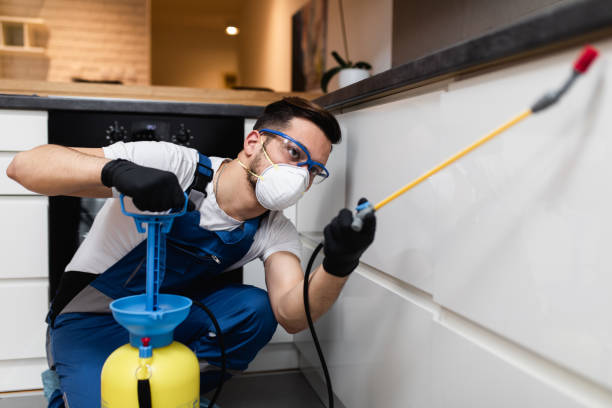
How Mosquito Pest Control Helps Create an Enjoyable Outdoor Environment
Mosquitoes are not only a nuisance but can also pose significant health risks due to the diseases they carry, such as West Nile virus, dengue fever, and malaria. For homeowners and businesses alike, managing mosquito populations can greatly improve the usability of outdoor spaces. Effective mosquito pest control measures ensure that patios, backyards, parks, and other outdoor environments remain comfortable and safe for everyone.
The Importance of Mosquito Control
Mosquito infestations can disrupt both recreational and professional activities in outdoor areas. Here are some key reasons why mosquito control is vital:
– Health Protection: Mosquitoes are vectors for multiple diseases that can impact both humans and pets. Reducing their populations minimizes the risk of disease transmission.
– Economic Impact: For businesses such as restaurants with outdoor seating or event venues, mosquito presence can lead to reduced customer satisfaction and lost revenue.
– Comfort: A mosquito-free environment allows families to enjoy outdoor activities like barbecues or gardening without constant itching or irritation.
Methods Used in Mosquito Pest Control
- Removing standing water where mosquitoes breed (e.g., bird baths, clogged gutters).
- Ensuring proper drainage in landscaped areas.
- Application of larvicides to standing water sources like ponds or ditches to target mosquitoes during the larval stage before they mature into adults.
- Spraying adulticides using misting systems or foggers around affected areas to eliminate adult mosquitoes directly.
- Introducing natural predators such as fish that feed on mosquito larvae in water features.
- Utilizing bacteria-based products like Bacillus thuringiensis israelensis (Bti), which kills larvae without harming other wildlife.
- Applying insect repellent sprays on vegetation where mosquitoes rest during the day provides lasting protection for several weeks.
- Electric traps or specialized devices can lure mosquitoes using light or carbon dioxide before capturing them.
| Method | Purpose | Timeframe |
| Source Reduction | Eliminates breeding grounds | Long-term |
| Larvicidal Treatment | Targets immature mosquitoes; prevents them from maturing into adults | Immediate impact |
| Adulticide Spraying | Directly reduces adult mosquito populations | Immediate impact |
| Biological Controls | Eco-friendly solutions for sustainable population management | Long-term |
| Barrier Treatments | Creates a protective zone around high-use areas | Medium-term |
Tips for Homeowners to Minimize Mosquito Issues
While professional pest control services provide long-lasting solutions, homeowners can take additional steps to reduce mosquito activity around their property: – Keep gutters clean and unclogged. – Empty items that collect water regularly (e.g., flower pots, tires). – Use mosquito-repellent plants like citronella grass or lavender in gardens. – Keep windows and doors sealed with intact screens.
By implementing these strategies alongside professional treatments, you can enjoy a more pleasant outdoor environment free from unwanted pests like mosquitoes while ensuring the safety of your family and guests alike.
Why Effective Cricket Pest Control is Essential for a Good Night’s Sleep
Crickets are often associated with the soothing sounds of nature, but their nighttime chirping can quickly turn into a nuisance when they invade your home. Beyond the disturbance to your sleep, these insects can also cause damage to fabric, paper, and even plants. Effective cricket pest control is essential not only for maintaining peace and quiet but also for protecting your home from potential harm.
The Problems Crickets Cause in Your Home
- Noise Pollution: Male crickets chirp to attract mates, and their persistent noise can disrupt sleep patterns, particularly in quieter residential areas.
- Property Damage: Crickets are omnivorous and may chew on fabrics (such as curtains or upholstery), paper products, or even drywall.
- Allergic Reactions: While rare, cricket droppings can trigger allergic reactions in some individuals.
- Attracting Predators: A cricket infestation may attract other pests like spiders or lizards into your home, creating an even bigger problem.
Signs of a Cricket Infestation
- Persistent Chirping at Night: If you hear loud chirping noises indoors during the evening or nighttime hours.
- Visible Crickets Inside Your Home: Spotting crickets in dark corners or near doors and windows.
- Chewed Fabrics or Paper: Noticeable damage to clothing, furniture fabrics, cardboard boxes, or books.
- Droppings: Small black specks that resemble pepper grains around infested areas.
Methods for Effective Cricket Pest Control
Preventative Measures
- Seal cracks and gaps around doors and windows using weatherstripping or caulking.
- Install fine mesh screens to prevent crickets from entering through vents or open windows.
- Reduce outdoor lighting near entry points since bright lights attract crickets at night.
Indoor Treatments
- Use sticky traps in areas where crickets are detected to monitor and reduce their numbers.
- Apply insecticide sprays specifically designed for indoor use, targeting baseboards and dark corners where crickets hide.
Outdoor Solutions
- Keep gardens tidy by removing dense vegetation and trimming shrubs close to the house’s foundation.
- Reduce moisture levels by fixing leaks and improving drainage systems around your property.
- Treat outdoor areas with residual insecticides if necessary.
| Method | Effectiveness | Professional Assistance Needed |
| Sealing Entry Points | High | No |
| Sticky Traps | Moderate | No |
| Insecticide Sprays | High | Yes |
| Outdoor Moisture Control | High | No |
Benefits of Professional Cricket Pest Control Services
- Expert Knowledge: Professionals understand cricket behavior and use targeted treatments tailored to your specific situation.
- Eco-Friendly Options: Many pest control companies offer environmentally safe solutions that minimize harm to non-target species.
- Long-Term Prevention: Technicians not only eliminate existing infestations but also implement measures to prevent future recurrence.
If noisy nights plagued by chirping crickets have disrupted your rest or caused damage within your home, seeking professional assistance ensures effective results tailored to protecting both comfort and property.
Why Effective Cricket Pest Control is Essential for a Good Night’s Sleep
Crickets are often associated with the soothing sounds of summer evenings, but when they invade your home, their incessant chirping can quickly become a nuisance. Beyond the noise, crickets can cause damage to your belongings and even attract other pests. Here’s why controlling these pests is essential for ensuring restful nights and maintaining a pest-free environment.
The Impact of Crickets in Your Home
- Nocturnal Chirping: Male crickets produce loud chirping sounds by rubbing their wings together to attract mates. While this sound might be pleasant outdoors, it becomes extremely disruptive when amplified indoors at night.
- Property Damage: Crickets are known to feed on materials such as paper, fabric, and even wood. Items like upholstered furniture, curtains, or important documents may fall victim to cricket infestations.
- Attracting Predators: Crickets can attract other pests into your home who feed on them, such as spiders or rodents. This creates a secondary pest problem that complicates control efforts.
Signs of a Cricket Infestation
- Chirping Sounds Indoors: If you hear high-pitched chirps at night that seem louder than normal outdoor sounds, it’s likely crickets have entered your home.
- Damaged Fabrics or Papers: Check for irregular holes in clothing or paper items near dark corners or storage areas.
- Sightings of Crickets: Spotting live crickets near doors, windowsills, basements, or garages could indicate an increasing population inside.
Methods for Effective Cricket Pest Control
1. Exclusion Techniques
- Seal cracks and gaps around doors and windows using weatherstripping or caulk.
- Install door sweeps and ensure that screens are tightly fitted with no tears.
2. Environmental Modifications
- Reduce moisture by fixing leaks or using dehumidifiers since crickets thrive in damp environments.
- Keep outdoor lights off at night near entry points as they attract crickets.
3. Professional Treatments
- Pest control professionals often use safe insecticides targeted specifically for crickets while minimizing harm to non-target organisms.
- Baits may also be applied strategically in areas where crickets are active.
4. Trapping Techniques
- Sticky traps can help monitor activity levels and catch intruding pests during the early stages of infestation.
| Control Method | Effectiveness Level | Use Case |
| Exclusion Techniques | High | Preventing entry into homes |
| Environmental Changes | Moderate | Reducing favorable conditions |
| Professional Services | Very High | Eliminating existing infestations inside homes |
| Trapping | Moderate | Monitoring small-scale populations |
Long-Term Prevention Measures
- Regularly inspect potential entry points around the house.
- Store fabrics and papers in sealed containers if kept in basements or attics.
- Maintain landscaping by trimming overgrown bushes and keeping grass short near foundations.
Taking proactive measures against crickets ensures peaceful nights without disruptive chirping while protecting your property from damage they might cause over time.
The Most Common and Effective Methods Used in Pest Control Services
When it comes to managing pest infestations, professional pest control services rely on a variety of methods to ensure thorough and effective results. These methods are tailored to the type of pest, the level of infestation, and the environment being treated. Below is an overview of some of the most commonly used and effective techniques in pest control.
1. Chemical Control Methods
Chemical treatments remain one of the most widely used approaches in professional pest management. These methods involve applying pesticides or insecticides that target specific pests while minimizing harm to humans and pets when used properly.
- Residual Sprays: Chemicals are sprayed on surfaces where pests are likely to crawl or rest, providing long-term protection.
- Baits: Gel or granular baits attract pests like ants, cockroaches, or rodents. Upon consumption, the pests carry toxins back to their colonies or nests.
- Aerosols: Often used for direct application on visible pests or in hard-to-reach spaces such as cracks and crevices.
While effective, chemical control must always be handled by qualified professionals to ensure safety and compliance with local environmental regulations.
2. Biological Pest Control
This method leverages natural predators or biological agents to reduce pest populations without chemicals. It is an environmentally sustainable approach often used in agricultural settings but can also apply to residential properties.
Examples include:
– Introducing beneficial insects like ladybugs to combat aphids. – Using nematodes (microscopic roundworms) against soil-dwelling pests. – Employing bacteria such as Bacillus thuringiensis (Bt) for controlling caterpillars and mosquito larvae.
Biological control is highly specific and works well for targeted infestations.
3. Mechanical Control Techniques
Mechanical methods focus on physically removing or limiting pests’ access to an area without chemical intervention.
Common mechanical solutions include:
– Traps: Glue traps for rodents and insects; mechanical snap traps for mice and rats. – Barriers: Sealing gaps around windows, doors, vents, and walls to prevent entry points for pests. – Vacuuming: Removing insects like bed bugs from furniture using high-powered vacuums designed for this purpose.
These techniques are often combined with other approaches for maximum effectiveness.
4. Integrated Pest Management (IPM)
IPM is a comprehensive strategy that combines multiple pest control methods into a cohesive plan tailored to individual scenarios. This method emphasizes prevention over reaction by focusing on long-term solutions rather than temporary fixes.
Key components of IPM include: | Step | Description | |——————-|—————————————————————————–| | Inspection | Identifying the type of pest and determining infestation levels. | | Monitoring | Using traps or digital tools to monitor pest activity over time. | | Prevention | Eliminating food sources, sealing entry points, and improving sanitation. | | Targeted Treatment| Applying chemical/biological/mechanical controls where necessary based on findings.|
IPM reduces reliance on broad-spectrum pesticides while promoting sustainable practices.
5. Heat Treatments
For certain pests like bed bugs or termites that are resistant to conventional pesticides, heat treatments provide an effective alternative solution by raising temperatures in infested areas above what these pests can tolerate.
Key benefits include: – Non-toxic process with no chemical residue. – Penetrates hard-to-reach areas such as wall voids or fabrics. – Effective at killing all life stages of certain pests (eggs through adults).
Final Thoughts
By utilizing a combination of these methods tailored specifically for each situation, professional pest control services achieve safe yet thorough results while minimizing risks associated with improper DIY efforts at handling infestations.
- Effective Deltona Pest Control Tips to Identify and Avoid Effective Solutions for Pest Problems with an Exterminator Deltona FL
- 10 Common Household Pests and How an Exterminator Deltona FL Can Help Eliminate Them
- Benefits of Choosing Deltona Pest Control Over DIY Methods
- Common Pests Treated by Deltona Pest Control Services
- Effective Pest Management Tips from a Trusted Exterminator Deltona FL to Keep Your Home Safe and Healthy
- How Deltona Pest Control Services Protect Your Home and Health