

Pest control is an essential aspect of maintaining a safe and comfortable home. When dealing with pests, homeowners often face the decision of whether to handle the problem themselves or hire a professional pest control company. While both options have their merits, there are distinct advantages to choosing professional services over the DIY approach.
Expertise and Knowledge from a Trusted Exterminator Deltona FL
Professional pest control companies employ trained technicians who possess in-depth knowledge of pest behaviors, habitats, and control methods. This expertise allows them to identify the root cause of an infestation and implement targeted strategies to eliminate pests effectively.
In contrast, DIY pest control often relies on general knowledge or trial-and-error techniques. Without proper training, homeowners may misdiagnose the problem or use inappropriate treatments, which can exacerbate the issue.
Customized Solutions from Your Deltona FL Pest Control Company
Every pest infestation is unique, requiring tailored solutions for effective management.
– The type of pests involved
– The severity of the infestation
– Environmental considerations (e. g.
DIY approaches typically involve over-the-counter products that may not be suitable for all types of infestations or situations.
Important Safety Considerations for Pest Removal in Deltona, FL
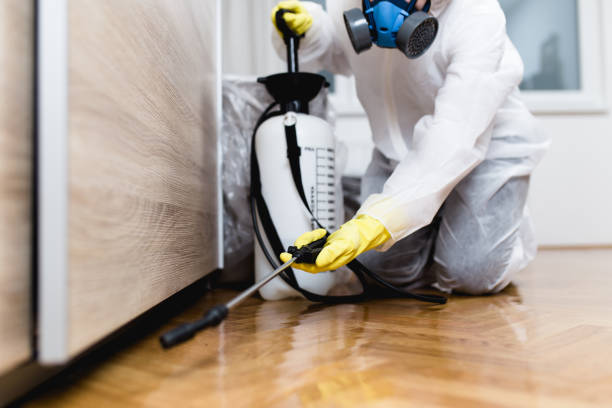
Pest control treatments often involve chemicals that can pose risks if misused. Professionals are trained to handle these substances safely and responsibly, minimizing exposure to humans and pets while ensuring effective results. Additionally, they are well-versed in local regulations regarding chemical usage and disposal.
Homeowners attempting DIY treatments may unintentionally misuse chemicals or fail to follow safety guidelines, potentially endangering their health and that of their families.
Long-Term Effectiveness
Professional companies focus not only on eliminating existing pests but also on preventing future infestations. They often provide follow-up inspections and maintenance services as part of their treatment plans.
On the other hand:
– DIY methods might deliver temporary relief but often fail to address underlying causes. – Improper application can lead to recurring infestations.
By investing in professional services, homeowners benefit from long-term peace of mind knowing that their pest problems are thoroughly addressed.
| Factor | Professional Pest Control | DIY Approach |
| Expertise | Extensive knowledge & training | Limited understanding |
| Safety | Proper handling & minimal risk | Potential misuse & health risks |
| Customization | Tailored solutions | Generic products |
| Long-Term Effectiveness | High | Moderate |
Cost Efficiency Over Time
While hiring professionals might seem costlier upfront compared to purchasing DIY products, it can save money in the long run by preventing repeated infestations or property damage caused by ineffective treatments. Professionals ensure comprehensive eradication without requiring multiple attempts.
DIY efforts may appear budget-friendly initially but could lead to higher costs due to product inefficiencies, incorrect applications, or extended infestations that cause structural damage.
When Should You Consider Professional Services?
- Recurring infestations
- Structural damage caused by termites or rodents
- Presence of hazardous pests (e. g.
…are clear indicators that it’s time for expert intervention.
In summary: hiring a professional pest control company offers numerous advantages over tackling the issue yourself – from enhanced safety measures to more effective long-term solutions – making it a worthwhile investment for homeowners facing persistent or severe pest problems.
Safe and Effective Pest Control Treatments That Protect Your Home and Family
Protecting your home and family from pests involves more than just eliminating bugs or rodents in plain sight—it requires a comprehensive approach that ensures safety, long-term effectiveness, and minimal environmental impact. Choosing the right pest control treatments can help safeguard the well-being of your loved ones while maintaining a pest-free environment.
Benefits of Professional Pest Control Treatments
- Tailored Solutions
Every home is different, as is every pest problem. Professional pest control companies assess your situation to provide customized treatments targeting specific pests in their respective areas of infestation. - Minimized Health Risks
Certain pests, like rodents, cockroaches, and mosquitoes, carry diseases that could put your family at risk. Professionals use safe products and techniques to eliminate these threats without endangering human health. - Eco-Friendly Options
Many professional companies offer environmentally friendly solutions such as organic pesticides or integrated pest management (IPM) strategies to reduce harmful chemical usage while still being effective. - Long-Term Prevention
In addition to addressing existing infestations, professional services often include prevention plans to avoid future issues. This includes sealing entry points, advising on sanitation practices, or applying deterrents where necessary.
Popular Pest Control Treatment Methods
| Treatment Method | Description | Safety Considerations | Common Uses |
| Baiting Systems | Attract pests with bait laced with slow-acting toxins to eliminate colonies. | Placed in targeted areas; avoid access by children or pets. | Ants, termites |
| Barrier Sprays | Apply chemical barriers around home exteriors to prevent pests from entering. | Use EPA-approved sprays; professionals ensure proper application techniques. | Mosquitoes, ticks |
| Traps (Glue/Mechanical) | Use non-toxic traps to physically capture pests for removal. | Ideal for indoor use; doesn’t involve chemicals but may take longer for results. | Rats, spiders |
| Heat Treatments | Raise room temperatures to levels lethal for specific pest species. | Completely chemical-free but requires professional equipment expertise. | Bed bugs |
DIY vs Professional Treatments: A Quick Comparison
- Limited effectiveness due to improper product use.
- Increased risk of exposure to toxic chemicals.
- No warranty or follow-up support after treatment.
- Access to advanced tools and resources unavailable over-the-counter.
- Targeted methods based on expert diagnosis.
- Guaranteed results with follow-up inspections if needed.
Tips for Choosing Safe Pest Control Products
- Look for products labeled as “low toxicity” or “organic.
- Always read product instructions thoroughly before application.
- Wear appropriate protective gear during use (e. g. , gloves, masks).
- Avoid treating areas where food is prepared or consumed unless explicitly stated safe on the label.
A combination of preventive measures alongside safe treatment options ensures that your home remains free of unwanted intruders without compromising the health of its occupants or the environment around it.
Recognizing the Signs of a Cockroach Infestation in Your Home and How to Address It
Cockroaches are one of the most common household pests, known for their ability to adapt and thrive in various environments. Recognizing the signs of an infestation early can help prevent these resilient pests from spreading, reducing both health risks and property damage.
Certain indicators point toward the presence of cockroaches in your home.
- Droppings: Small, dark droppings resembling coffee grounds or black pepper are often found near food sources, along walls, or inside cabinets.
- Shed SkinsLook for discarded exoskeletons in hidden areas like under appliances or inside drawers.
- Egg Casings (Oothecae): Cockroaches lay eggs in brownish casings which may be found behind furniture, inside cracks, or within dark spaces.
- Smear Marks: In areas with high humidity, cockroaches leave streaky smear marks on walls or surfaces where they move frequently.
Health Risks Associated With Cockroach Infestations
- Disease Transmission: They carry bacteria like Salmonella and E. coli on their bodies and can contaminate food or surfaces.
- Allergies & Asthma Triggers: Their droppings, saliva, and shed skins can exacerbate allergies or asthma symptoms, especially in children.
- Food Contamination: Cockroaches leave behind feces and pathogens that make food unsafe for consumption.
How to Address a Cockroach Infestation
Once you’ve identified an infestation, taking swift action is essential to eliminate it effectively.
DIY Control Methods
- Use bait stations with insecticides designed specifically for cockroaches.
- Apply boric acid dust along cracks and crevices where roaches hide.
- Set sticky traps to monitor activity levels and capture individual pests.
Professional Pest Control Services
| Advantages of Professional Services | Description |
| Expertise | Technicians identify species and apply targeted treatments. |
| Advanced Solutions | Use of commercial-grade insecticides that are more effective than standard over-the-counter products. |
| Prevention Guidance | Professionals provide advice on long-term prevention strategies tailored to your home environment. |
Preventing Future Infestations
- Store all food items in sealed containers.
- Regularly clean kitchen surfaces and floors to remove crumbs or spills.
- Fix leaks promptly; moisture attracts cockroaches.
- Seal cracks around doors, windows, pipes, and other entry points into your home.
By addressing these issues proactively after identifying warning signs of an infestation, you can keep your home safe from this persistent pest while minimizing health risks for your family.
Situations Where Professional Pest Control Services Are Absolutely Necessary
Pest infestations can range from minor inconveniences to severe problems requiring immediate professional intervention. While some situations may be managed with over-the-counter pest control products, there are specific scenarios where hiring a professional pest control service is not only recommended but essential. Below, we explore these critical situations and the reasons why professional expertise is crucial.
Severe Infestations That Are Beyond DIY Control
When the scale of an infestation becomes overwhelming, it is often impossible for homeowners to manage it effectively without professional help.
- Widespread property damage(e. g.
- Persistent issues despite repeated DIY attempts
- Evidence of nests or colonies in hard-to-reach areas such as walls, attics, or basements
Professional pest control companies use advanced methods like fumigation, baiting systems, and heat treatments that go beyond the capabilities of DIY solutions.
Health Risks Associated with Certain Pests
Certain pests pose direct health risks that require urgent attention from professionals.
| Pest Type | Health Concerns |
| Rodents | Spread diseases such as Hantavirus and Salmonella |
| Cockroaches | Trigger allergies and asthma |
| Mosquitoes | Transmit diseases like West Nile Virus and Malaria |
| Ticks | Carry Lyme disease and other infections |
Handling these pests incorrectly can exacerbate the problem or increase exposure to harmful bacteria and viruses. Professionals are trained to eliminate such pests safely while minimizing health risks.
Structural Damage Caused by Wood-Destroying Pests
Pests like termites and carpenter ants can cause significant structural damage to homes if left untreated.
- Hollow-sounding wood
- Mud tubes on walls or foundations
- Visible frass (wood debris) near wooden structures
Professional exterminators have access to specialized tools like moisture meters and infrared cameras to assess hidden damage accurately. They also use long-lasting treatment options such as liquid termiticides or bait stations.
Infestations in Sensitive Environments
Certain environments require extra care when dealing with pests due to sensitivity concerns.
- Homes with children or pets: Professional pest control services ensure treatments are child-safe and pet-friendly.
- Commercial kitchens: Strict adherence to food safety standards makes professional intervention necessary.
- Healthcare facilities: Pest control in hospitals requires highly regulated methods to avoid contaminating sterile areas.
Experienced professionals tailor their approach based on the unique needs of sensitive environments while maintaining compliance with safety regulations.
Exotic or Dangerous Pests
Occasionally, homeowners encounter exotic pests like scorpions or venomous spiders that pose physical danger if mishandled. In these cases, attempting a DIY solution could escalate risks. Professionals are equipped with protective gear and have training in handling potentially dangerous species.
When Legal Requirements Apply
In some cases, legal regulations mandate professional pest control services—especially for landlords renting out properties. Compliance ensures tenant safety while avoiding potential lawsuits caused by negligence in addressing infestations effectively.
Hiring a professional pest control service ensures targeted solutions tailored to specific pest problems while reducing risk factors associated with improper handling. By choosing expert assistance for these critical scenarios, homeowners protect both their property and their well-being effectively.
Preventing Pantry Pests: What You Should Know About Keeping Pesky Critters Out of Your Food
Pantry pests, also referred to as stored product pests, can be a frustrating and unhygienic problem to deal with in your home. These critters, which include insects like weevils, moths, and beetles, often invade your pantry by targeting cereals, grains, flour, dried fruits, spices, and other dry goods. By understanding how these pests operate and implementing preventive measures effectively, you can keep them out of your food storage areas.
Common Types of Pantry Pests
- Indian Meal Moths: These small moths lay their eggs in grains and packaged foods. Their larvae spin silk webbing in infested products.
- Flour Beetles: Red or confused flour beetles feed on flours and cereals and can contaminate food with their excrement.
- Weevils: Grain weevils target whole grains such as rice or wheat. They often burrow into kernels to lay eggs.
- Cigarette or Drugstore Beetles: These tiny beetles feast on a wide variety of dried goods ranging from spices to pet food.
Each pest species has unique behaviors that require specific management techniques.
Key Prevention Methods
- Check packaging for any signs of damage or small holes before buying dry goods.
- Look for webbing or visible insects inside clear containers.
- Transfer grains, flours, nuts, and other dry products into sealed glass or plastic containers.
- Use heavy-duty zip-top bags for temporary storage if necessary.
- Remove spilled crumbs or powders immediately from shelves.
- Vacuum crevices and corners where debris could accumulate unnoticed.
- Rotate stocked food items so older products are used first before newer ones.
- Avoid overstocking to minimize long storage periods for susceptible products.
- Freezing newly purchased grains or flour at 0°F for 72 hours can kill any hidden eggs or larvae without chemicals.
What To Do If You Suspect an Infestation
- Empty shelves completely and inspect all stored items carefully for signs of contamination such as webbing or insect activity.
- Discard any infested food immediately by sealing it tightly in a trash bag before disposal outside the house.
- Wash down shelves with hot soapy water followed by a vinegar rinse to remove remaining residue.
- Consider using non-toxic traps designed specifically for pantry pests to monitor activity levels during cleanup.
| Pest Type | Common Hiding Spots | Recommended Solution |
| Indian Meal Moths | Cereals & dried fruits | Discard infested items; clean thoroughly |
| Flour Beetles | Flours & baking mixes | Freeze new flour; store airtight |
| Weevils | Whole grains (e.g., rice) | Inspect regularly; freeze when needed |
| Cigarette Beetles | Spices & pet food | Store in sealed containers |
When Professional Help May Be Necessary
While many pantry pest infestations can be addressed through diligent cleaning and preventive practices, severe infestations may require professional intervention. A licensed pest control company has access to advanced treatments that target specific pests without compromising the safety of your household.
By maintaining proper food storage habits and regular cleaning routines, you can significantly reduce the likelihood of dealing with these unwanted visitors in your kitchen spaces. Taking proactive steps now ensures both your peace of mind and the integrity of your family’s food supply remain intact over time.
Preventing Pantry Pests: What You Should Know About Keeping Pesky Critters Out of Your Food
Pantry pests, such as moths, weevils, and beetles, are common household nuisances that can invade your stored food and contaminate it. These small critters often go unnoticed until an infestation has grown significantly. Fortunately, with proper storage practices and proactive prevention measures, you can protect your pantry from these unwanted guests. Below is a detailed guide to understanding pantry pests and keeping them at bay.
Common Types of Pantry Pests
- Indian Meal Moths: These pests are among the most common pantry invaders. They are small moths with a brownish or copper hue on their wings.
- Grain Weevils: These tiny beetles have long snouts and primarily target whole grains like rice, wheat, or corn.
- Cigarette Beetles: Despite their name, these beetles feed on dry products like spices, cereals, or pet food.
- Flour Beetles: Found in flour-based products like cake mixes or pancake batter.
Understanding which pests may be affecting your pantry helps you take targeted action against them.
Tips for Preventing Pantry Pests
Adopting preventive measures ensures that your stored food remains pest-free.
- When shopping for groceries, check packaging for holes, tears, or signs of damage.
- Discard damaged goods immediately to prevent bringing pests into your home.
- Use airtight containers made of glass or plastic to store grains, flour, sugar, and other dry goods.
- Avoid leaving food in its original packaging if it’s not resealable (e. g. , paper bags or cardboard boxes).
- Arrange pantry items so older products are used before newer ones.
- Regularly check expiration dates to ensure no spoiled items are left in storage.
- Clean shelves regularly by vacuuming crumbs and wiping surfaces with soap and water.
- Ensure there aren’t any hidden spills creating breeding grounds for pests.
- When bringing new packages home from the grocery store (particularly grains), consider freezing them for 48 hours before storing them in the pantry. This kills any potential pest eggs present in the product.
- If you discover infested products in your pantry:
- Seal them in a plastic bag.
- Dispose of them in an outdoor trash bin to prevent re-infestation indoors.
Natural Deterrents for Pantry Pests
- Place bay leaves inside grain containers or on pantry shelves as a natural repellent.
- Consider using cloves near areas where dry goods are stored—many insects dislike their scent.
- Clean surfaces using vinegar mixed with water as an added prevention step after removing expired foods.
| Aspect | DIY Prevention Measures | Professional Pest Control Services |
| Cost | Low-cost investments | Higher upfront cost |
| Effectiveness | Effective if done consistently | Generally more thorough solutions |
| Time Requirement | Requires consistent effort | One-time treatment |
| Environmental Impact | Can use natural repellents | May involve targeted chemical treatments |
When to Call a Professional
While most infestations can be managed through diligent cleaning and organization efforts, severe cases require professional help.
- The infestation persists despite implementing preventive measures.
- You notice multiple types of pests affecting different areas beyond the kitchen/pantry.
- There is significant contamination across large quantities of food products.
By understanding the behavior of pantry pests and taking steps to keep them out of your home effectively, you can enjoy peace of mind knowing that your stored foods remain safe from contamination.
- Effective Deltona Pest Control Tips to Identify and Avoid Effective Solutions for Pest Problems with an Exterminator Deltona FL
- 10 Common Household Pests and How an Exterminator Deltona FL Can Help Eliminate Them
- Benefits of Choosing Deltona Pest Control Over DIY Methods
- Common Pests Treated by Deltona Pest Control Services
- Effective Pest Management Tips from a Trusted Exterminator Deltona FL to Keep Your Home Safe and Healthy
- How Deltona Pest Control Services Protect Your Home and Health